Car Maintenance for Expats Living in Guanacaste
How Guanacaste's heat, dust, salt air and long distances affect your vehicle — and the maintenance that matters most for expats living on the coast of Costa Rica.
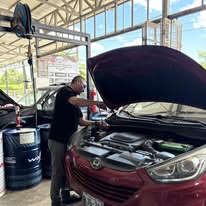
Cars age differently in Guanacaste. The heat is stronger, the dust is finer, the salt air reaches further than people expect, and the distances between services are longer. The maintenance schedule in your owner's manual was not written for this — so here is what actually matters for car maintenance in Guanacaste.
Batteries
Heat is the number one killer of batteries. A battery that would last five years in a temperate climate can fail in two or three here. Have it load-tested twice a year, keep the terminals clean, and do not wait for the first slow crank to think about replacement — in the tropics, that first slow crank is often the last.
Tires
Heat accelerates tire aging, and rough rural roads accelerate uneven wear. Check pressures monthly (hot asphalt raises pressure readings), inspect for cuts and sidewall damage, and rotate tires regularly. Uneven wear is a sign the alignment is out, not just a tire problem.
Brakes
Between coast and interior you will drive hills that test your brakes in ways flat roads never did. Have pads and rotors measured rather than guessed at, and act on squealing or a soft pedal immediately. Brake fluid absorbs moisture faster in humid conditions and should be checked as part of regular service.
Suspension and bushings
Dusty dirt roads, potholes and washboard surfaces are hard on shocks, bushings and ball joints. Clunks, knocking over bumps or a wandering feel are early symptoms. Catching a worn bushing early is a small job; catching it late usually means damaged mounts and a bigger bill.
Alignment
If the car pulls to one side, the steering wheel sits off-center or tires wear unevenly, get a computerized wheel alignment. On Guanacaste roads this is not an occasional service — it is routine maintenance.
Cooling system
Overheating is one of the most common causes of engine damage in this climate. Radiators clog with dust and bugs, coolant ages, hoses soften. If the temperature gauge behaves differently than it used to, get the cooling system inspected before it becomes a head gasket.
Air conditioning
A/C here is not a luxury, it is equipment. If it cools less than it used to or smells bad, it needs service — refrigerant levels, leaks, condenser condition and the cabin filter. Running a low system strains the compressor, and compressors are not cheap.
Oil and filters
Dust is abrasive, and a clogged air filter makes the engine work harder and burn more fuel. In dusty conditions check the air filter more often than the manual suggests, use the oil grade the manufacturer specifies, and keep oil change intervals honest.
Vehicles that sit unused
Many expats keep a second vehicle for visitors, or leave a car for weeks while traveling. Sitting vehicles develop flat-spotted tires, dead batteries, stale fuel and seized brakes. Before a long idle period: charge or disconnect the battery, inflate tires properly, fill the tank, and when you return, have the car inspected and driven before relying on it.
The habit that saves the most money
A periodic preventive inspection — brakes, suspension, fluids, tires, battery, a quick scan for fault codes — is the single most cost-effective service there is. It converts surprise breakdowns into scheduled repairs, which are always cheaper and always less disruptive. That is what our 30-point preventive inspection is for.
Frequently asked questions
How often should I change my oil in Guanacaste?
Follow the manufacturer's interval for the oil type you use, and lean toward the shorter side in heavy dust, short-trip or towing conditions. If you are unsure what your vehicle needs, ask us.
My car sits for weeks while I travel. What should I do?
Charge or disconnect the battery, inflate the tires properly, fill the fuel tank, and have the vehicle inspected after long idle periods before relying on it again.
Why does my A/C cool less than when the car was new?
Usually low refrigerant from a small leak, a clogged cabin filter or a dirty condenser. It is a normal service item, but it should be fixed before the compressor is damaged.
Is alignment really needed that often here?
Yes. Between potholes, dirt roads and heavy use, vehicles here go out of alignment faster than the manual implies. If the car pulls or tires wear unevenly, it is time.
What does a preventive inspection cover?
Our 30-point inspection covers brakes, suspension and steering, all fluid levels and leaks, tires, lights, the battery, a quick fault-code scan, and a report with priorities and an estimate.
Need help with your vehicle in Guanacaste?
Contact Zona Automotriz in Santa Cruz through WhatsApp and tell us what is happening with your vehicle. We'll help you determine the next step.